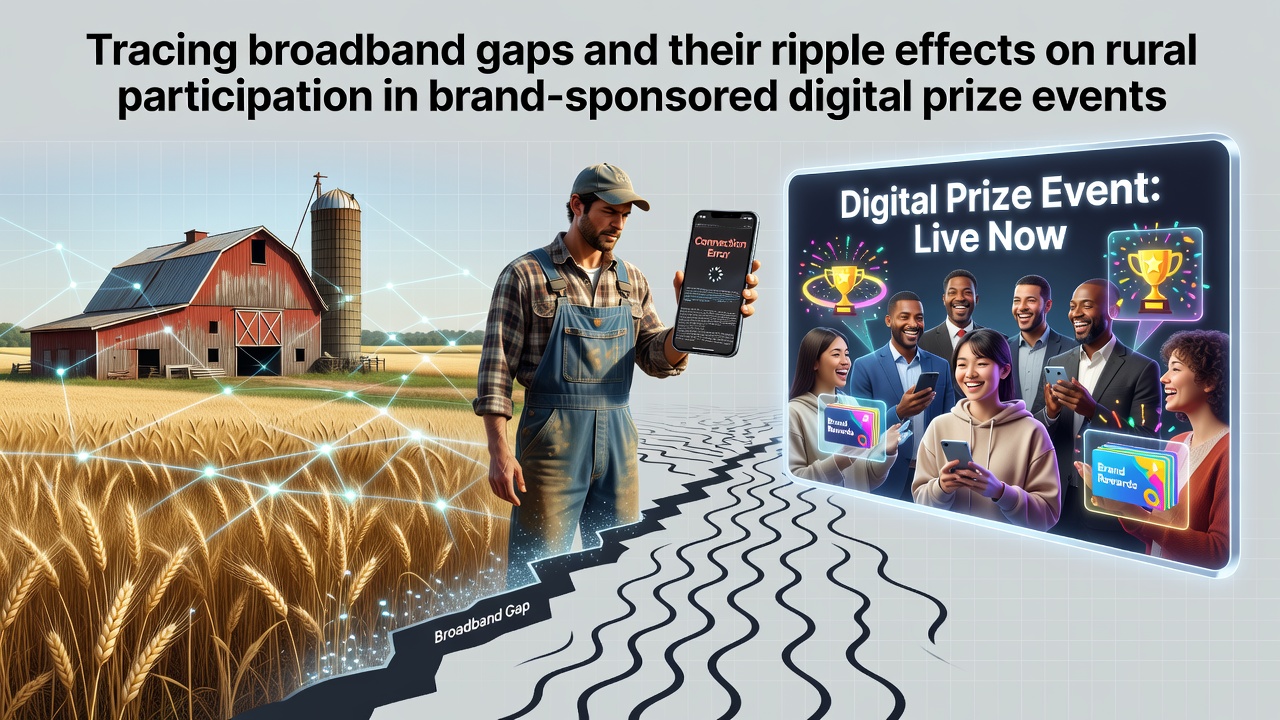
Tracing Broadband Gaps and Their Ripple Effects on Rural Participation in Brand-Sponsored Digital Prize Events
Brand-sponsored digital prize events continue to expand across online platforms in 2026 yet participation patterns reveal persistent divides tied directly to broadband availability in rural zones. Data from federal monitoring programs show that households in remote counties often operate with download speeds below the threshold needed for seamless contest entries which involve uploading forms or navigating multiple verification steps and these limitations compound when events require real-time responses or mobile app interactions.
Mapping Current Broadband Access Patterns
National reports compiled through 2025 indicate that approximately 14 percent of rural residents still lack reliable high-speed connections compared with under 1 percent in densely populated urban centers and this gap persists even as infrastructure investments roll out in phases through October 2026. Researchers tracking deployment timelines note that fiber extensions and fixed wireless upgrades reach certain agricultural communities first while others rely on satellite options that introduce latency during peak hours when prize promotions launch new rounds. Observers at regulatory agencies document how these access differences translate into measurable drops in entry volumes from zip codes outside metropolitan boundaries.
Direct Effects on Entry Processes for Promotional Events
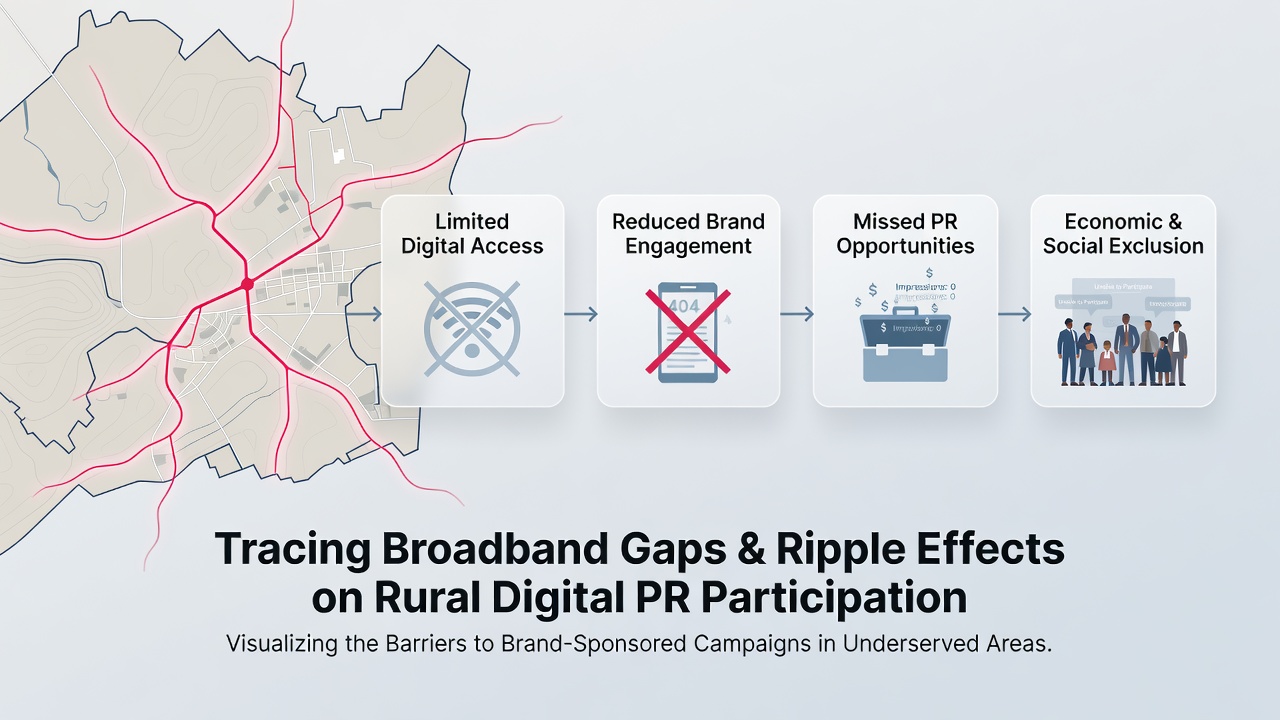
Participants attempting to join brand collaborations must complete digital forms that load slowly or time out under marginal connections and studies from academic institutions confirm that incomplete submissions rise sharply in areas averaging under 25 Mbps service. Those managing daily routines around limited windows find themselves unable to check notifications promptly or upload required proof of purchase which reduces their presence in multi-brand selection cycles that favor rapid responders. Industry analyses further reveal that rural entrants cluster around events with extended deadlines rather than flash promotions leaving certain cash and product giveaways statistically underrepresented by non-urban demographics.
Broader Ripple Effects Across Local Economies and Social Structures
Lower participation rates feed into wider patterns where rural voices appear less frequently in winner tallies which in turn influences how sponsors allocate future marketing budgets toward regions showing stronger engagement metrics. Economic assessments from government statistical offices highlight that missed opportunities in these events equate to forgone product acquisitions and cash infusions that otherwise circulate through small-town retailers and service providers. Community organizations attempting to bridge the divide through shared access points report increased demand during major national cycles yet capacity constraints and scheduling conflicts limit how many residents can benefit simultaneously. Data collected across multiple states demonstrate correlations between broadband quality scores and overall entry success rates in recurring reward programs sponsored by consumer brands.
Emerging Mitigation Approaches and Infrastructure Developments
Public-private partnerships announced for completion phases in late 2026 target remaining unserved census blocks with targeted subsidies for equipment upgrades and middle-mile networks and preliminary figures from pilot programs show modest upticks in digital activity once minimum speeds stabilize. Educational outreach from regional extension services provides guidance on optimizing existing connections for contest platforms which helps residents maximize opportunities during promotional windows. Cross-border comparisons with programs in Canada and Australia indicate that coordinated spectrum allocation and community Wi-Fi hubs can narrow participation gaps though full parity with urban metrics remains a multi-year objective according to FCC progress tracking. Additional research compiled by European digital strategy groups underscores similar dynamics in sparsely populated member states where targeted funding has begun to lift baseline connectivity levels.
Conclusion
Continued monitoring of broadband expansion through 2026 and beyond will determine whether rural participation in brand-sponsored digital prize events aligns more closely with national averages and current evidence points to infrastructure quality as the primary variable shaping those outcomes. Stakeholders tracking these trends emphasize the need for sustained investment alongside platform designs that accommodate variable connection speeds to ensure broader access across all regions.