
Layered Access: Dissecting the Impact of Subscription Tiers on Visibility in Recurring Reward Programs
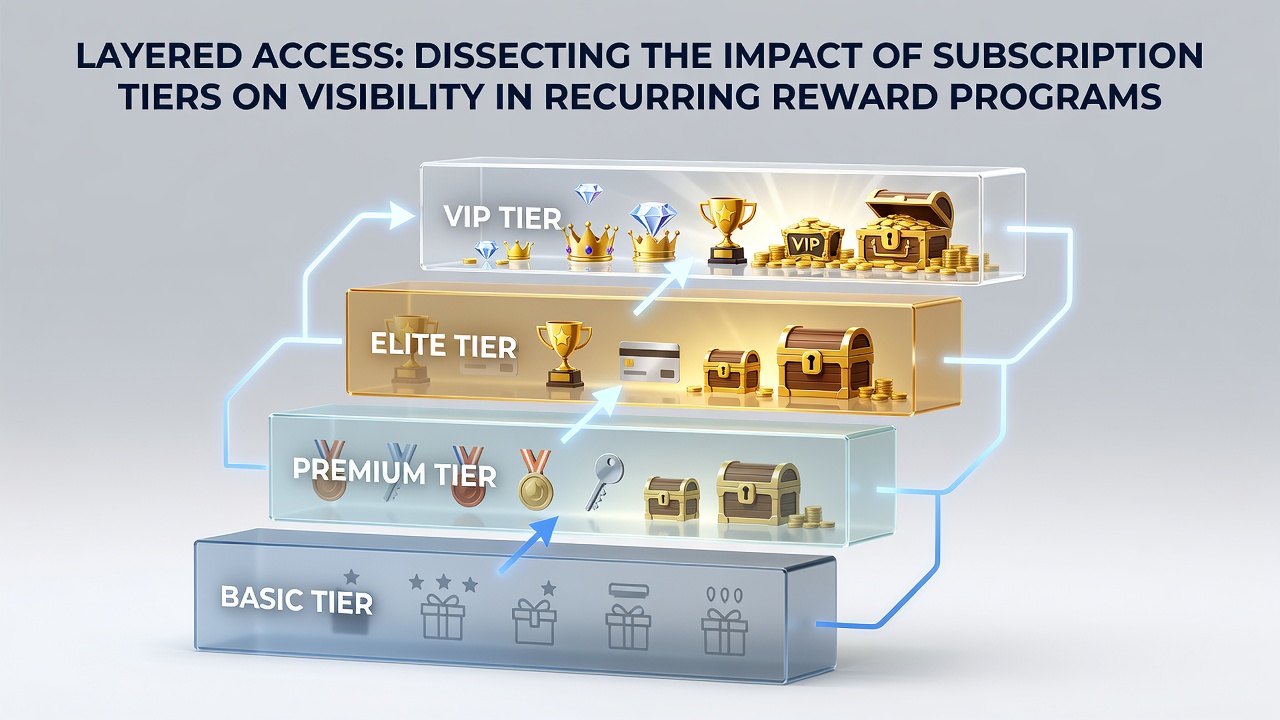
Subscription tiers in recurring reward programs create distinct layers of access that directly influence how often and how prominently participants encounter available rewards, with data from multiple industry analyses showing measurable differences in exposure rates between basic and premium levels. Companies structure these programs so that higher tiers receive algorithmic priority in notifications, dashboard placements, and personalized recommendations, which alters the frequency with which users discover new opportunities.
Mechanics of Tier-Based Visibility
Recurring reward programs typically segment users into entry-level, mid-tier, and premium categories based on subscription fees or activity thresholds, and each segment receives different degrees of prominence in the platform interface. Basic subscribers often encounter a standard feed limited to general announcements, while premium members see expanded sections that highlight time-sensitive offers and exclusive items first. Research from consumer behavior studies indicates that placement order on home screens can shift click-through rates by 30 to 50 percent depending on the tier assigned to an account.
Algorithms powering these systems factor in tier status alongside past engagement metrics, which means higher-paying subscribers receive earlier alerts through push notifications and email digests. This setup produces a feedback loop where visibility compounds over successive reward cycles, as users who act on early notices accumulate points that further reinforce their tier standing.
Patterns Observed Across Platforms
Observers tracking loyalty and subscription-based reward systems note consistent disparities in reward redemption patterns when comparing tier cohorts. Premium users complete a larger share of available actions within the first 48 hours of a cycle launch, whereas entry-level participants tend to engage later in the window when remaining inventory appears in standard feeds. Figures compiled by research institutions in Australia reveal that such timing gaps correlate with a 22 percent difference in average reward value claimed per month between the two groups.
Take one analysis of a multi-brand rewards network that operates across North America and Europe, where internal logs showed premium subscribers viewing 1.8 times more unique reward listings per session than those on free tiers. The same dataset indicated that visibility adjustments tied to tier upgrades produced immediate lifts in engagement without changes to the underlying reward catalog itself.
Regulatory Context and Data Sources
Government agencies monitor these visibility mechanisms under consumer protection frameworks that address transparency in promotional offerings. The Federal Trade Commission has issued guidance requiring clear disclosure of how subscription status affects access to promotional content, while similar oversight from the Australian Competition and Consumer Commission focuses on ensuring users understand the scope of benefits attached to each paid level.
Industry reports compiled in 2025 and projected forward into November 2026 show accelerating adoption of dynamic ranking systems that prioritize tier status in real time, particularly as platforms integrate more sophisticated recommendation engines. Data from academic studies on digital marketplaces further demonstrate that these ranking changes influence not only individual user behavior but also aggregate redemption volumes across entire reward cycles.
Geographic and Demographic Variations
Regional differences emerge when examining how subscription tiers shape reward visibility. Programs active in densely populated urban markets often display faster differentiation between tiers because notification volume is higher overall, whereas participants in lower-density areas encounter slower refresh rates even at premium levels. Demographic breakdowns published by research groups indicate that age cohorts between 25 and 40 years demonstrate the strongest response to tier-driven placement advantages, measured through session duration and repeat logins.
Platforms frequently adjust visibility rules seasonally, aligning expanded premium exposure with peak shopping periods that recur each year. This synchronization produces documented spikes in engagement that scale with the number of active subscribers at each tier, creating predictable patterns that analysts track across multiple program iterations.
Conclusion
Subscription tiers function as structural determinants of reward visibility within recurring programs, shaping both the order and frequency of content delivery according to documented algorithmic and interface priorities. Evidence gathered from regulatory filings, platform disclosures, and independent research consistently illustrates measurable gaps in exposure between tiers, with those gaps widening as platforms refine their ranking systems. Participants and program operators alike operate within these layered frameworks, where tier status directly governs the pathways through which rewards become discoverable over successive cycles.